

Sugar Snap Pea Nutrition Facts & Health Benefits
hiPhoto Gallery
|
Additional Info
| Contact Name | lori gail |
| Website | https://medysale.com/cenforce-100-mg/ |
| Street | usa, usa |
| Town / (Specific Area) | usa |
| City | Bath |
| County | Fife |
| Region | Scotland |
| Country | United Kingdom |
| Zip/Postal Code | 10001 |
Sugar Snap Pea Nutrition Facts & Health Benefits
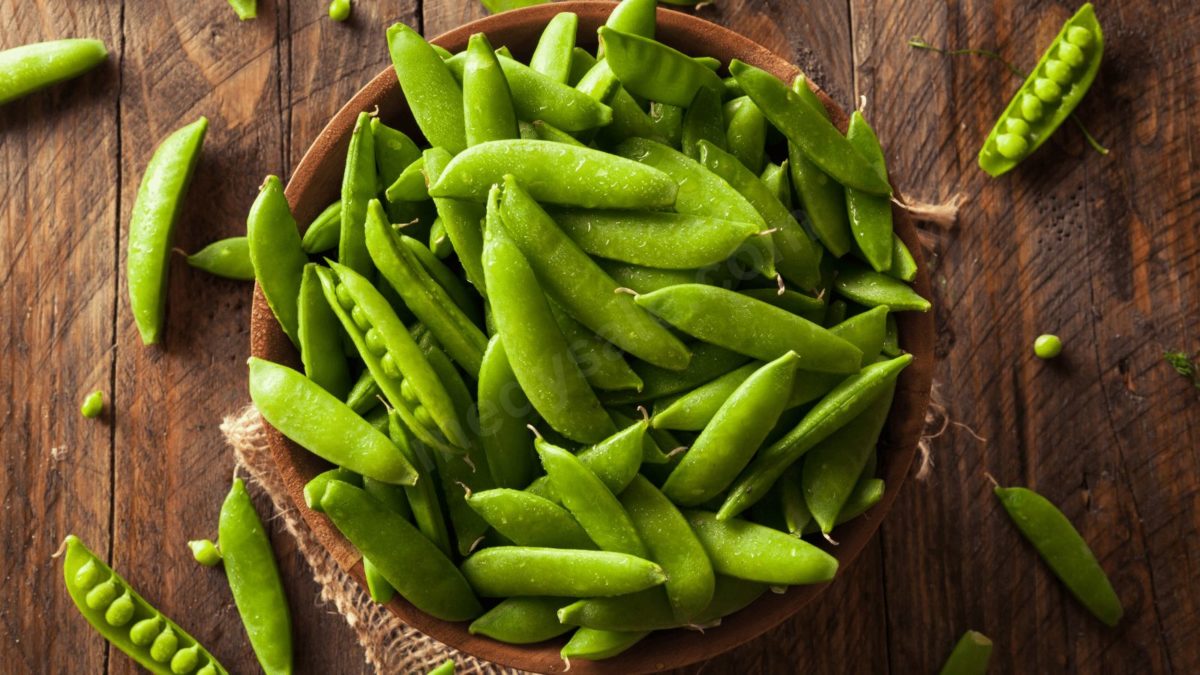
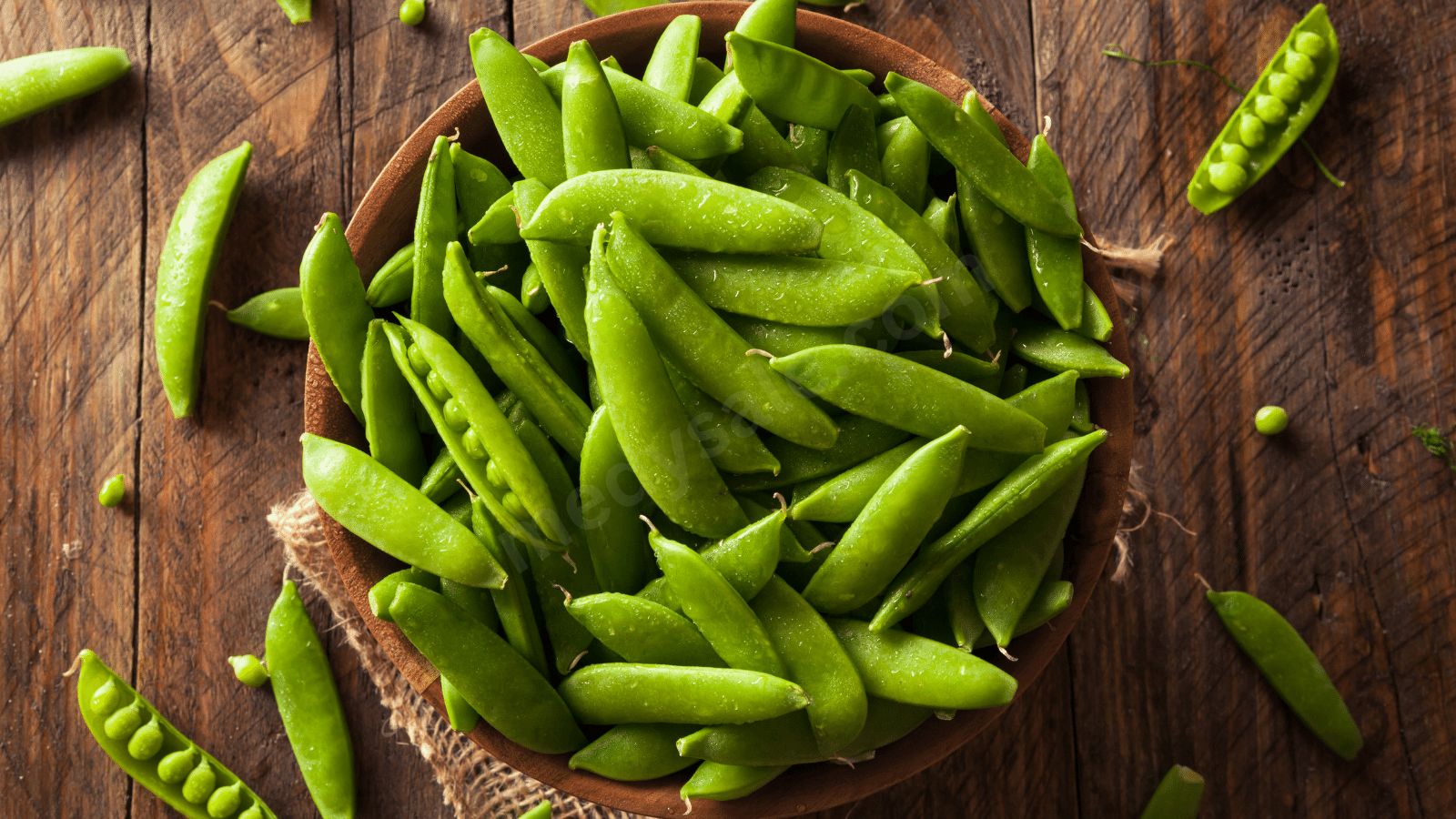
Do not let their candy names fool you. Sugar snap peas can be eaten as a starchy vegetable. These plump pods of peas are easy to expand, delicious, and nutritious. Sugar snap peas are a great source of protein and fiber buy fildena 100 mg and fildena 150 mg tablet.
Sugar Snap Peas Nutrition facts
A cup of whole, uncook sugar snap peas (63g) provides 27 energy, almost 2g protein, 4.8g carbohydrates and 0.1g fat. Sugar snap peas have the highest levels of vitamin C, iron and potassium. These nutrition records were created using the USDA.
Carbohydrates
One cup of whole sugar snap peas contains just below five grams of carbohydrates. The other half is from herbal sugar.
Fats
Sugar snap peas can be considered a fat-free meal if they are prepared with additional fats or dipped into immoderate-fats sauces or dressings.
Protein
Sugar snap peas contain 1.8g of protein in a 1-cup serving.2 They are not complete protein but have more protein than most vegetables.
Vitamins and Minerals
Sugar snap peas are rich in nutrition C, vitamin K and iron as well as calcium and potassium.
Health Benefits
Sugar snap peas can be a starchy vegetable that has lots of nutrients. They are rich in vitamins, minerals and antioxidants as well as fiber that can be used to improve many body skills.
Encourage regularity and prevent constipation
Adult women require 25 to 20-8 grams of fiber per day, while men need 31 to 34 grams. Fiber promotes regularity and helps to add bulk to your stool. It also shifts food through the digestive tract. You can trade processed snacks for more fiber in your meal plan vidalista 20 for sale.
Help control blood sugar
According to the American Diabetes Association, you should eat at least 3 to 5 portions of vegetables each day. Non-starchy vegetables, such as carrots, are particularly useful.1 They are rich in phytonutrients and fiber, which helps to control diabetes.
Promoting Heart Health
Sugar snap peas are rich in nutrients that have cardiovascular benefits. Diet C reduces blood vessel contamination that could lead to atherosclerosis (hardening the arteries).
Potassium is also a good option, as it can reduce blood stress. Five Moreover, soluble fiber may lower cholesterol levels.
Support Weight Loss
Sugar snap peas can be a healthy, non-starchy vegetable and help you lose weight. Professionals recommend that you eat more than half of your plate with non starchy vegetables to feel full and obtain good nutrients while losing weight.6 These veggies can be cooked or raw, which is beneficial for weight safety.
Eye Health
Sugar snap peas provide a small amount of plant-based carotenoids, lutein and Zeaxanthin. Each of these act as concentrated antioxidants in a portion of the retina called the macula. The increased intake of foods rich in lutein or zeaxanthin could also help slow down the progression of macular degeneration. This is a form of old-related disease that can cause irreversible vision loss.
Allergies
An allergy to sugar snap peas could be indicative of a common legume allergic reaction. Some people are allergic to all legumes (beans and peas, lentils and peanuts), while others are sensitive to specific meals.
A sugar snap pea allergic reaction may cause hives, swelling of the lips, wheezing, or vomiting. If you suspect that you have a food allergy, consult your doctor for a thorough assessment.
Varieties
Sugar snap peas look a lot like snow peas. Each vegetable can be eaten whole. You can eat the pods of each vegetable, but you will notice a difference in which vegetables are sweeter and more plump.
There are many types of sugar, including Super, Cascadia and Amish Snap. You can find them in the farmer’s market or make your own at home.
When they’re at their best
Sugar snap peas are tolerant to moderate frosts and bloodless weather. They are usually planted in the spring and harvested 60 days later. They can be found at farmers’ markets during the late spring and early summer. Nine
Food Safety and Storage
Pea pods should be shiny and green. Avoid yellowing and speckled areas. They should be smooth and have a near-bursting appearance. Avoid buying them that are dull or contain no peas.
Old snap peas tend to be stringy. You can tell this by breaking off the stem. The pods may be in danger if fibrous strings are found around the stem bud.
Snap peas can be kept in a plastic bag with holes for up to two weeks. After washing the snap peas, take out the strings and stems. Blanch whole snappeas for one-half to two minutes (massive pods require more time). Allow them to cool and dry. Frost sugar snaps peas in a single layer, spaced about a quarter inch apart.
How to Prepare
Uncooked dishes can be eaten or prepared by steaming, stirring-frying, blanching or boiling. Add herbs and spices to the dish. You can also season them with olive oil, salt and pepper.
Snap peas can be given Asian-stimulated turns by being tossed in soba
hi
Comments